Why the Best CISSP Practice Tests Aren't Just About the Score
Feb 16, 2026
Finding the best CISSP practice tests is a rite of passage for any aspiring security professional. However, there is a common trap that many candidates fall into: the "numbers game."
It’s easy to think that if you grind through 5,000 questions, you’re guaranteed to pass. But the CISSP isn't a memory test; it's a "thinking" test. To succeed, you have to shift your focus from finding the right answer to understanding the logic behind the question.
Why "Quantity" is the Wrong Metric
In the cybersecurity world, rote memorization has a very short shelf life. If you memorize a practice question about Kerberos but don't understand the underlying flow of tickets and the trust relationships involved, the actual exam—which uses Computerized Adaptive Testing (CAT)—will quickly find that gap.
The best CISSP practice tests shouldn't just be used to keep score. They should be used as diagnostic tools to uncover "why" you got a question wrong:
-
The Technical Gap: Did you simply not know the protocol or the concept?
-
The Logic Gap: Did you think like a "fixer" (technician) instead of a "risk manager" (advisor)?
-
The Distractor Trap: Did you get lured in by a technically correct answer that didn't actually solve the specific problem posed in the question?
Building Your Practice Ecosystem
No single source of questions is a silver bullet. The key to a robust study plan is diversity. You need to see concepts explained and tested from different angles to ensure your knowledge is "platform-agnostic."
1. CISSP Cyber Training
I highly recommend incorporating the questions I have published at CISSP Cyber Training. These questions are designed to challenge your managerial mindset and force you to apply the "ISC2 way" of thinking. They focus on the nuance and the "best/most/least" style of questioning that defines the actual exam experience.
2. Diversify Your Sources
In addition to the resources at CISSP Cyber Training, you should use other high-quality locations on the web. Using a mix of the Official (ISC)2 Practice Tests, community-vetted apps like LearnZapp, and specialized training portals ensures you aren't just getting used to one author's writing style.
The Secret is in the "Post-Game"
What you do after you finish a practice test is actually more important than the score you see on the screen.
When you finish a set of questions, spend twice as much time reviewing the explanations as you did taking the test. Even for the questions you got right, read the explanation to confirm your logic matched the intended one.
This "knowledge-first" approach ensures that you aren't just becoming good at taking practice tests—you are becoming a more competent cybersecurity professional.
Beyond the Certification: Your Career Foundation
It’s important to remember that the best CISSP practice tests are merely the first step. The goal isn't just to get the four letters after your name; it’s to build the foundational knowledge required to lead security programs in the real world.
The CISSP domains (like Risk Management, Security Architecture, and Identity & Access Management) are the building blocks of a successful career. When you focus on the knowledge rather than the test, you are preparing yourself for the day-to-day challenges of being a CISO, a Security Architect, or a Risk Consultant.
The exam is a gatekeeper, but the understanding you gain during this process is what will make you successful long after the testing center door closes.
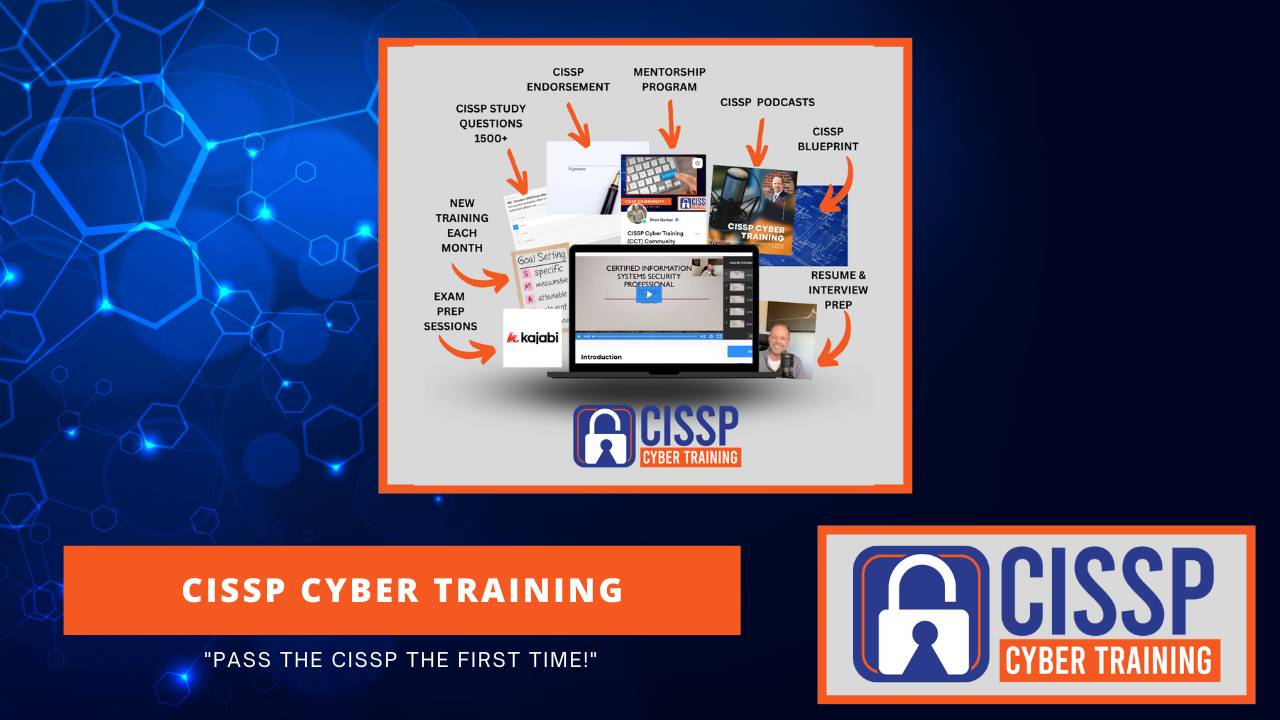
CISSP Cyber Training Academy Program!
Are you an ambitious Cybersecurity or IT professional who wants to take your career to a whole new level by achieving the CISSP Certification?
Let CISSP Cyber Training help you pass the CISSP Test the first time!